
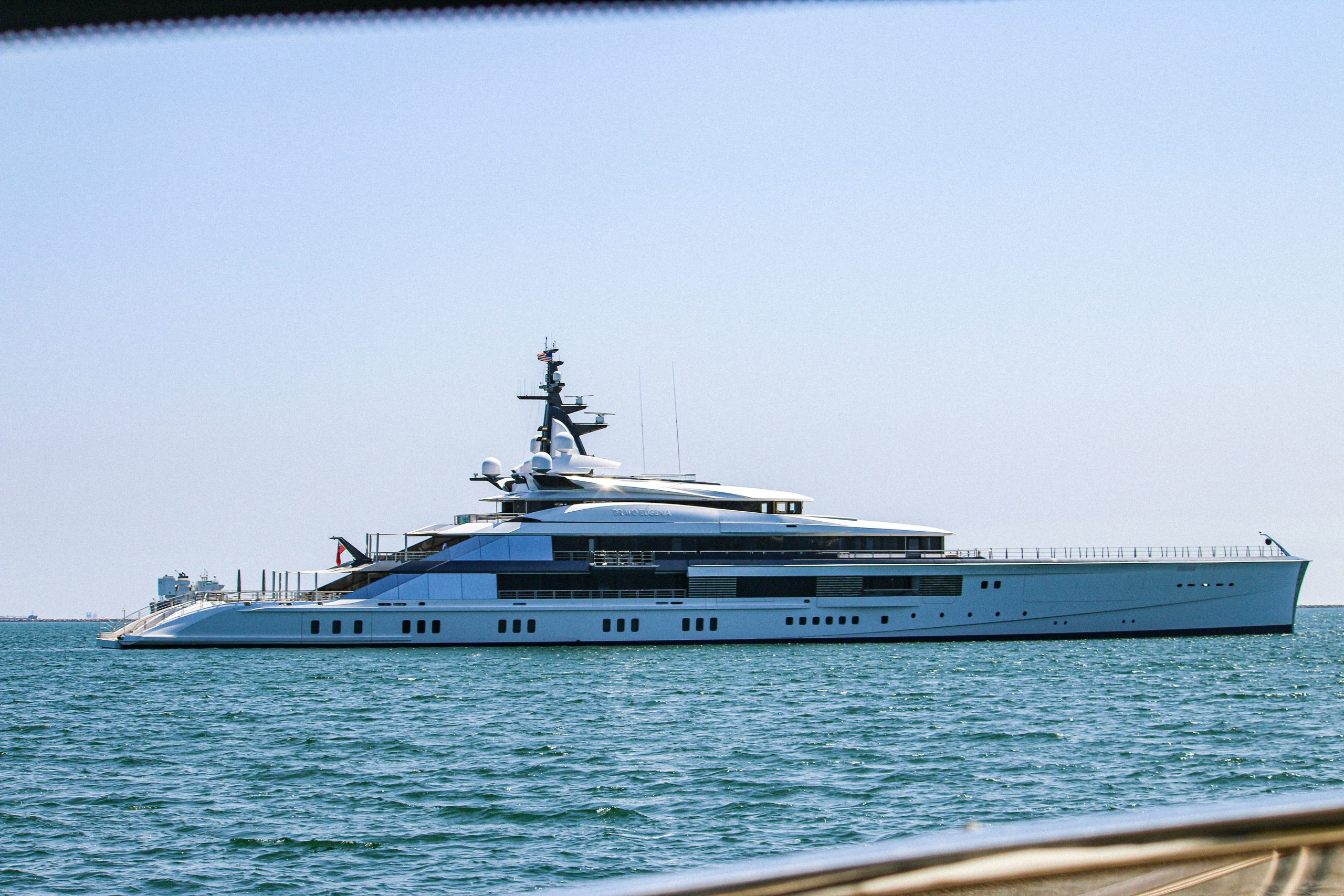
When equipment fails on a superyacht during the warranty period, what should be a straightforward claim can quickly become a costly dispute. The yard or OEM cites incorrect operation. The crew cite inadequate training. And suddenly, the issue is no longer just about the machinery. It’s about who had the right information, and whether they understood it.
That’s where most yachts are left exposed. And it’s entirely avoidable.
Why “Operator Error” Is Such a Costly Phrase
In warranty disputes, “operator error” is less a technical finding than a negotiating position. If documentation is fragmented, familiarisation is unverifiable, or vessel specific guidance was never produced in the first place, responsibility can shift from the manufacturer to the owner with alarming ease.
The problem is rarely negligence on the crew’s part. More often, it’s the opposite. Crew are expected to operate increasingly complex, highly customised systems but have been handed over fragmented information: scattered OEM manuals, construction drawings never designed for operational use, and ad hoc notes accumulated onboard. There is no single verified reference. No clear record of what was communicated or understood.
That gap matters because when a failure happens, the real question is often this: can anyone prove the crew had the right information, in the right format, for the right piece of equipment, and understood how to use it?
The Real Issue Is Proof, Not Blame
Warranty disputes are won on evidence. When a failure occurs, the question isn’t only what went wrong. It’s whether anyone can demonstrate that the crew had the correct, vessel specific information and understood how to act on it.
Consider a custom gangway with no operational or maintenance instructions provided at delivery. If it fails through incorrect use, the dispute pivots immediately: was adequate information ever given to the operator? Without documentation proving otherwise, the owner absorbs a cost that should belong elsewhere.
This is the core vulnerability. Not the system failure itself, but the absence of a defensible paper trail.
Why OEM Manuals Alone Are Not Enough
OEM manuals describe equipment. They don’t explain how that equipment integrates with the rest of the vessel as built, which operational warnings are most relevant in practice, or how crew should respond under the pressure of real conditions at sea.
Builder drawings compound the problem. Produced for construction rather than operation, they are rarely updated for handover, difficult to navigate quickly, and not designed to support practical decision making onboard.
For build captains and management companies, that creates risk across three distinct areas:
Operational risk: crew have access to information, but not information they can use with confidence in the moment.
Safety risk: gaps in system understanding increase the likelihood of incorrect actions, particularly under pressure.
Warranty risk: without a defensible record of proper familiarisation, “operator error” becomes very difficult to challenge.
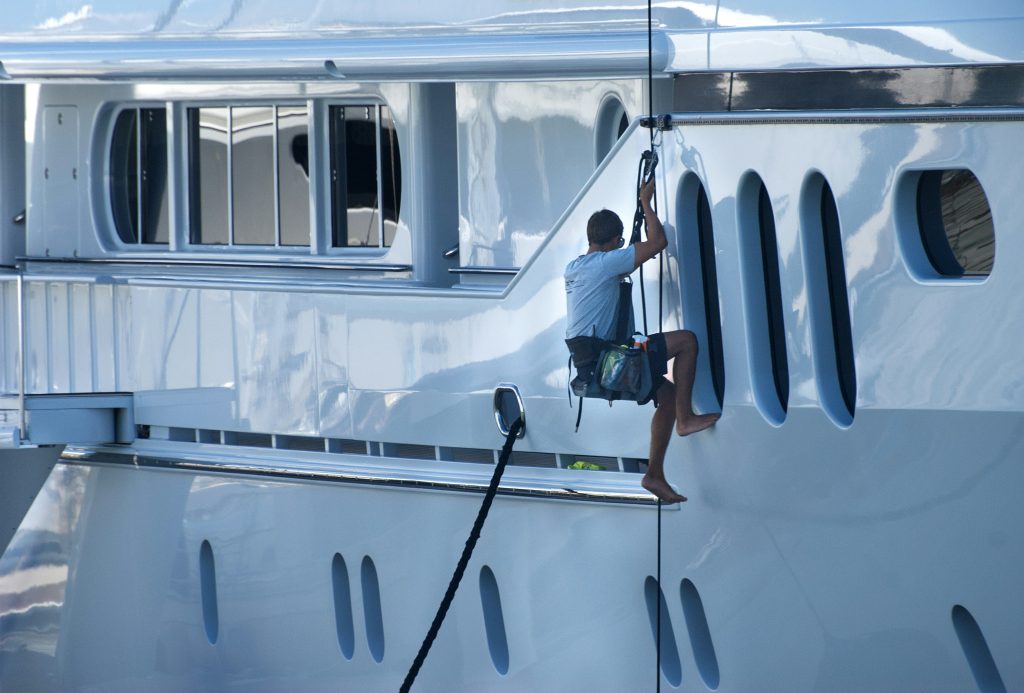
The Stronger Approach: Vessel Specific Documentation Plus Verified Familiarisation
The solution isn’t more paperwork. It’s the right documentation, structured for operators, and paired with a credible method of proving it was understood.
A Technical Operating Manual (TOM) provides a single, verified, vessel specific reference that bridges OEM manuals, shipyard drawings, and operational realities onboard. Rather than forcing crew to piece together guidance from multiple sources, a TOM gives them one authoritative document built around how the yacht actually works, tailored to its systems, its layout, and the way it’s crewed.
But documentation alone only solves half the problem. A manual in a cupboard is not evidence of competence.
That’s where FATHOM adds a critical second layer. FATHOM is Sentini’s crew familiarisation tool, designed to turn complex safety and operational content into testable, verifiable knowledge. It creates a structured record of what crew have understood, moving familiarisation from an assumption into an auditable fact.
Together, a TOM and FATHOM don’t just improve operations. They create an audit trail of competence: documented evidence that the right information existed, was vessel specific, and was understood by crew.
What That Audit Trail Actually Protects
When a warranty claim becomes contentious, the yacht with strong documentation and verified familiarisation has a fundamentally different conversation with the yard than the one relying on verbal assurances.
Specifically, that audit trail provides:
- A clear record of what operational information was provided and when
- Vessel specific guidance aligned to actual onboard systems
- Evidence that crew were familiarised with relevant equipment and procedures
- Visibility of knowledge gaps before they become incidents or claims
- A defensible position when warranty responsibility is disputed
This matters commercially as well as operationally. A preventable technical mistake can mean downtime, repair costs, and protracted friction with the shipyard. High-quality documentation reduces that exposure directly.
The Right Time to Think About This Is Before a Claim
Warranty protection isn’t reactive. The best time to put it in place is during build, at handover, and in the early months of operation, before anything goes wrong.
For build captains, that means asking a sharper question at delivery: are we receiving enough information to operate this yacht properly, or only enough information to complete handover?
For yacht management companies, it means looking beyond survey compliance and considering whether the vessel could defend itself if a warranty dispute became contentious.
For owners and owner’s representatives, it means recognising that poor familiarisation has a direct commercial consequence, one that shows up in repair bills and downtime, not just incident reports.
A Higher Standard for Modern Yachts
Superyachts are too complex, too valuable, and too operationally demanding to rely on fragmented manuals and assumed competence. The stakes, financial, operational, and reputational, are too high.
The standard that protects owners is straightforward:
- Vessel specific technical documentation, created for operators not builders
- Structured crew familiarisation, verified rather than assumed
- An auditable record that can withstand scrutiny when it matters most
Because when “operator error” enters the conversation, the yacht that can prove competence will always be in a stronger position than the one that can only assert it.
Don’t let “operator error” become an expensive loophole. Protect your vessel with clear technical documentation and verified crew familiarisation from Sentini Marine.
Leave a Reply